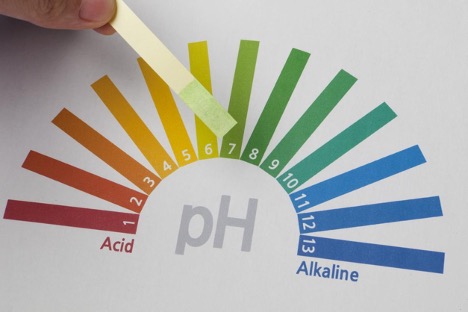
For most people, nutrition primarily determines pH equilibrium. So, by limiting your intake of acidic meals and drinking lots of water, which has the effect of neutralizing acid, you can typically maintain a healthy pH level.
Your doctor may recommend pH monitoring if you exhibit certain symptoms. This is to make a diagnosis or formulate a treatment strategy. It also determines whether stomach acid is moving through the body properly.
In this article, we will discuss the important aspect of pH monitoring that you need to know, the different tests involved, why you may need the tests, and the risks involved. Let’s take a look.
What Is pH Testing?
pH testing determines the frequency of stomach acid refluxing back from the stomach to the esophagus.
Why Would pH Testing Be Recommended by a Doctor?
pH testing is performed using a thin plastic tube equipped with a sensor. This testing is frequently done when:
- You have gastroesophageal reflux disease (GERD) symptoms, but an endoscopic examination reveals no signs of reflux illness.
- Your doctor suspects you have heartburn.
- Standard treatments like proton pump inhibitor (PPI) used twice daily had minimal or no effect.
You could also undergo pH testing to see whether the GERD medicine you are taking is lowering your acid levels effectively.
PRO TIP: Your doctor will inquire about your history and other factors that may predispose you to acid changes. These include asking if you smoke, use medicines, or consume foods that may increase your risk of reflux.
What Is an Esophageal pH Test?
The esophageal pH test is an outpatient technique used in assessing the pH or volume of stomach acid and monitoring esophageal acid for 24 hours. This test is performed frequently to support the diagnosis of GERD. It also determines the underlying cause of various symptoms, such as heartburn and other uncommon symptoms of GERD(asthma, chronic coughs, chest pains, sore throat, etc.).
How Is the Test Performed?
A little probe attached to a thin catheter is inserted via your nostril and placed close to the lower esophagus. This probe connects to a monitoring device that is slung over your shoulder or worn on your belt.
The catheter’s tip has an acid-detecting sensor. This sensor is placed in the esophagus right above the lower esophageal sphincter which is located at the intersection of the esophagus and stomach.
Other sensors on the catheter (impedance rings) assess the flow of fluid through the esophagus. It enables the detection of non-acid reflux and the measurement of the height to which the reflux extends (which may be significant for unusual symptoms like a cough).
What Is a Bravo pH Test?
The BRAVO pH test determines the esophageal acidity (pH) level. This aids medical professionals in diagnosing gastroesophageal reflux illness (GERD). It avoids the need for a catheter to be left sticking out of the patient’s nose.
The esophageal pH monitoring time for this test is 48 hours (2 days), allowing more records of symptom episodes. However, the test only looks at acid and does not identify non-acid reflux. During the recording, the patient can perform their regular activities—such as eating, sleeping, and working.
How Is the Test Performed?
A pH-sensing wireless capsule is inserted into esophageal tissue as part of the BRAVO pH monitoring test to evaluate pH levels. Additionally, the testing system involves a wearable recorder that helps record the capsule’s data and a software program that controls everything.
An upper endoscopy is performed under anesthesia, and a small capsule is attached to the wall of the lower esophagus above the stomach. This capsule analyzes the pH levels in the esophagus and sends readings to a receiver worn on your belt or waistband.
When the patient returns 48 hours after the recorder was placed (or sends it back after 48 hours), it is hooked to a computer so that the data may be retrieved and evaluated. The capsule will detach naturally from the esophagus and pass through the bowels into the stool, typically within 7-10 days.
How Long Do These Procedures Take?
The esophageal pH test requires no anesthesia, and the probe placement takes around 10 minutes. The catheter and recorder are left in place before discharge. For the 24 hours, the catheter is in place, you can go about your routine, including eating, sleeping, and working. However, you will be required to keep a journal and use a recorder to make notes of meals, sleep times, and symptoms. The diary aids the physician in understanding the test results.
On the other hand, the BRAVO pH test requires anesthesia. After that, they will perform an upper endoscopy to secure the capsule to your esophagus and check that it communicates with the recorder. The procedure typically takes 15 to 30 minutes to complete.
Are There Any Risks With These Procedures?
Esophageal pH testing has extremely few adverse consequences. For instance, while the catheter is in place, there might be some minor throat irritation. For most patients, eating, sleeping, and carrying out everyday activities are not problematic. However, most patients choose not to go to work because they are embarrassed by the catheter sticking out of their noses.
With the BRAVO pH test, the capsule gadget may result in an some mild chest discomfort or irritation upon swallowing. Although discomfort can occasionally result when swallowing saliva, it can also result from food pulling on the capsule as it passes. On rare occasions, the BRAVO capsule may induce chest pain that necessitates endoscopic removal of the capsule. It’s also possible but rare that the capsule won’t remain in place for the whole testing duration, or it might not detach at the appropriate time.
Additionally, the BRAVO pH test is not ideal for people with pacemakers, implanted defibrillators, or neurostimulators. Doctors also don’t recommend BRAVO pH monitoring to people with a history of bleeding diathesis, severe esophagitis, varices, blockage, or previous esophageal resection.
Get Proper Healthcare
Have you checked whether you have acid reflux? If you do happen to have a more severe form of acid reflux, it may harm your esophagus and lead to other more serious medical problems and you may benefit from seeking therapy from a gastroenterologist. Contact us today to schedule your pH testing and healthcare needs.