Colorectal cancer has emerged as one of the major healthcare concerns for a large number of Americans. Statistics show that it is one of the most diagnosed cancers across the country, which explains why there’s huge attention towards this condition. There have been major changes in how colorectal cancer is detected and treated. So, what should patients expect going into a colonoscopy?
Colorectal Cancer Alliance recently reduced the diagnostic age for this condition from 50 to 45 years. The changes occurred due to the increase in the number of middle-aged Americans diagnosed with this condition in recent times. You must consider a colonoscopy procedure if you’ve detected any signs of colorectal cancer, such as passing excessive gas, abdominal pain, and bowel movement.
Prepping for a Colonoscopy Exam
Usually, a colonoscopy is performed as an outpatient procedure, so you won’t have to stay at the hospital overnight. Medical professionals can conduct the exam in two ways – sedated or non-sedated. If your doctor suggests a sedated colonoscopy, your doctor will provide medication through an IV to help you relax during the procedure.
On the other hand, a non-sedated colonoscopy is performed while you’re awake, but you won’t feel any pain as the exam is conducted with a numbing spray or gel. Also, there are different types of anesthesia available during a colonoscopy. This means that the procedure will not be painful and will only last for a few minutes.
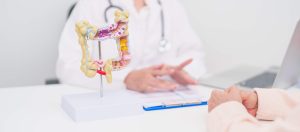
You need to understand that prepping for a colonoscopy is very important. This is because the exam involves the insertion of a long, flexible tube into your rectum and colon. This tube, also called a colonoscope, has a camera attached to its end, which helps the doctor to have a clear view of your digestive system.
Dietary Specifications and Modifications of Intake
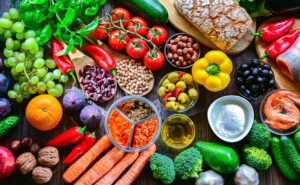
You must follow the dietary specifications given by your doctor before the colonoscopy exam. This is because preparing for the colonoscopy involves cleansing your colon, which you can only do by following a specific diet.
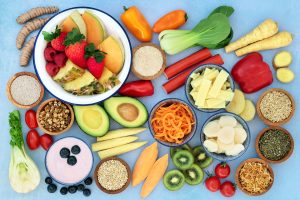
You need to empty your bowels before the exam, and you can achieve this by following a liquid diet for a day or two. There are different types of liquids that you can consume, such as water, clear broth, black coffee, tea without milk, and gelatin. You need to avoid solid food, dairy products, as well as fruits with seeds during this period.
It’s very important to stay hydrated before the colonoscopy exam. Your doctor will give you a laxative to help cleanse your bowels, which can lead to dehydration. Drink plenty of fluids and avoid alcoholic beverages, which can lead to dehydration.
How is the Procedure Performed?
The colonoscopy exam usually takes place in a hospital or outpatient center. They will ask you to lie on your left side on an examination table. Your knees will be bent, and your lower body will be covered with a sheet for modesty.
Your doctor will give the sedative through an IV and you will start feeling relaxed within a few minutes. The doctor will then insert the colonoscope into your rectum and guide it through your colon. The camera attached to the colonoscope will help the doctor to get a clear view of the inside of your colon.
If your doctor detects any abnormal tissue growths or polyps, your doctor will remove them during the procedure. Your doctor will also conduct a biopsy to check for the presence of cancerous cells. Also, if you’re suffering from any other condition, such as inflammatory bowel disease, the doctor will be able to treat it during the colonoscopy exam.
What Happens After the Exam?
After the colonoscopy exam, you will be taken to a recovery room, where you will be monitored for adverse reactions to the sedative. Once the effects of the sedative have worn off, you will be able to go home.
It’s very important to plan for someone to drive you home after the procedure, as the effects of the sedative can last for a few hours. You shouldn’t drink alcohol or operate machinery for at least 24 hours after the colonoscopy exam.
Can You Eat Your Usual Diet Directly After?
Everyone wants to resume their daily activities as soon as possible after a colonoscopy. But giving your body time to recover from the procedure is very important. You should start with clear liquids and then move on to solid food as tolerated. It’s very important to stay hydrated during this period. You should avoid alcohol and caffeinated beverages as they can lead to dehydration.
It’s also important to avoid strenuous activity for at least 24 hours after the colonoscopy exam. This is because your digestive system will weaken, and you might experience cramping and bloating. Remember to listen to your body and take things slowly during this period.
Hydrate, Rest, and Avoid Strenuous Activity for 24 Hours
Generally, you will feel groggy after the colonoscopy due to the sedatives. It is important that you avoid any strenuous activity or driving for at least 24 hours. Try and get some rest and drink plenty of fluids to stay hydrated. You might experience some bloating and cramping, which is normal. Just listen to your body and take things easy.
It’s very important to follow the instructions given to you by your doctor before and after the colonoscopy exam. This is a very important procedure that can help detect abnormalities in your colon and help treat any conditions that you might be suffering from. With just a little preparation, you can ensure the procedure is smooth and hassle-free.
Get Professional Colonoscopy Procedure Today
As you can see, a colonoscopy procedure is not a complex healthcare procedure and doesn’t take much of your time. You’ll not have to disorganize your schedule for a lengthy period. In a matter of hours, you’ll have the final results about your health, and you can resume your task.
If you’ve any colon cancer symptoms highlighted above, you must consider a colonoscopy procedure from experienced healthcare professionals. You’ll get the assistance you need and the necessary treatment for colon cancer.
Contact us today and schedule a consultation with our experienced healthcare professionals.