Colorectal cancer is a serious health concern that affects the digestive system, especially the colon and rectum. Research shows that lifestyle factors — including alcohol consumption — can influence colon cancer risk. Understanding how alcohol affects bowel health can help you make informed choices and take steps to reduce your risk.
Understanding the Connection Between Alcohol and Colorectal Cancer
Alcohol is metabolized in the body and broken down into several byproducts. One of these byproducts, acetaldehyde, is classified as a carcinogen — a substance known to damage DNA and interfere with normal cellular function. Over time, repeated exposure to carcinogens can increase the likelihood that healthy cells in the digestive tract will grow abnormally and lead to cancer.
Alcohol can also disrupt the gut microbiome — the community of beneficial bacteria that supports digestion and immune function. Changes in the microbiome may contribute to inflammation and impair bowel health, creating an environment that increases the risk of cancerous changes.
How Alcohol Increases Colorectal Cancer Risk
Alcohol affects the body in multiple ways that may raise the risk of colorectal cancer:
- DNA Damage
As alcohol breaks down into acetaldehyde, it can directly damage the DNA in cells lining the colon and rectum, increasing the risk of malignant changes.
- Inflammation
Chronic inflammation in the gastrointestinal tract can lead to cellular stress, making tissue more susceptible to cancerous growth.
- Impaired Nutrient Absorption
Alcohol interferes with nutrient absorption and liver metabolism, which may reduce the availability of protective vitamins and antioxidants.
- Impact on the Gut Microbiome
Disturbances in the gut microbiome can promote harmful bacteria growth, which may affect bowel health and immune responses.
These mechanisms are especially concerning when alcohol intake is frequent or excessive over long periods.
Risk Factors That Compound the Effects of Alcohol
While alcohol alone can contribute to increased colon cancer risk, other factors can compound that risk and impact overall digestive health, including:
- A family history of colorectal cancer
- Personal history of colon polyps
- Smoking
- Poor diet low in fiber intake
- Sedentary lifestyle
- Age (risk increases after age 45)
When combined with alcohol consumption, these factors can create a stronger risk profile. Understanding your individual risk helps guide preventive measures and screening recommendations.
How Much Alcohol Is Too Much?
Understanding what constitutes safe alcohol intake is important for colorectal cancer prevention. Although even moderate alcohol consumption carries some risk, patterns matter:
- Moderate drinking (up to one drink per day for women and up to two drinks per day for men) is generally considered lower risk than heavy or chronic drinking, but no level of alcohol is completely without risk.
- Heavy drinking — defined as regularly consuming large amounts of alcohol — is linked with higher rates of inflammation, tissue damage, and cancer risk.
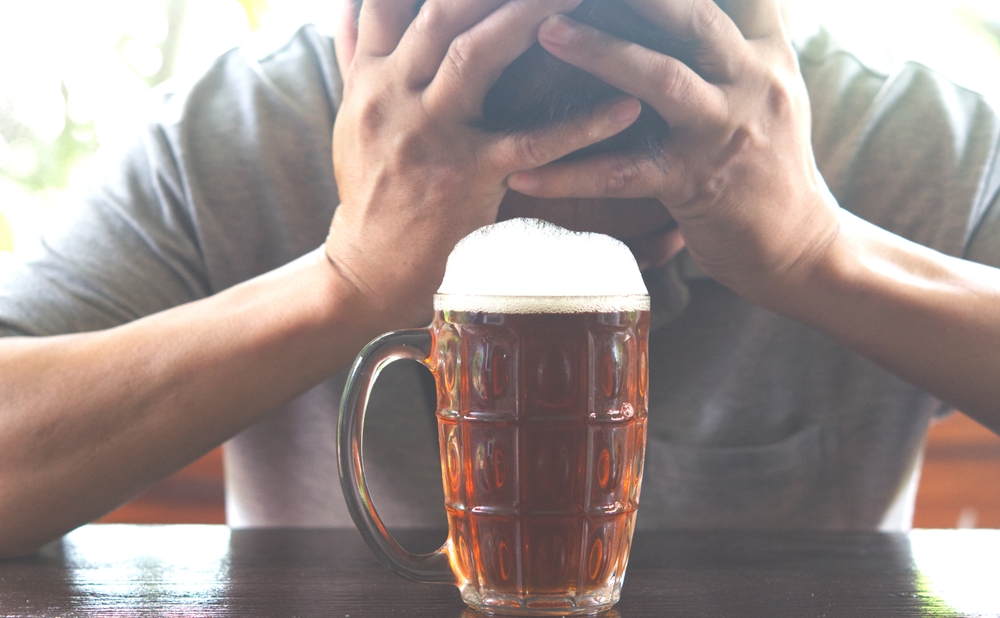
Whether it’s red wine, beer, or spirits, excessive and frequent intake places your bowel health and liver function under stress.
Signs and Symptoms to Watch For
Colorectal cancer can develop slowly over time. Early stages often have few or no symptoms, but some signs to watch for include:
- Persistent changes in bowel habits
- Blood in the stool
- Unexplained weight loss
- Ongoing abdominal discomfort or cramping
- Fatigue or anemia
These symptoms may also be associated with other digestive issues, so any persistent changes should prompt further evaluation.
Lowering Your Risk: Prevention and Lifestyle Tips
There are several lifestyle steps you can take to reduce your colorectal cancer risk, especially if alcohol is part of your routine:
- Limit Alcohol Consumption
Reducing or avoiding alcohol decreases exposure to harmful byproducts like acetaldehyde and lowers inflammation.
- Maintain a High-Fiber Diet
Eating foods rich in fiber supports bowel regularity and feeds beneficial gut bacteria.
- Stay Active and Maintain Healthy Weight
Regular exercise supports overall digestive health and reduces inflammation.
- Prioritize Screening
A screening colonoscopy is one of the most effective tools in detecting precancerous changes (like colon polyps) before they turn into cancer.
- Support Liver Function
Since the liver metabolizes alcohol, protecting liver function through balanced diet and avoiding heavy drinking supports whole-body health.
When To Talk to Your Doctor
You should consult your healthcare provider if you have concerns about your alcohol intake, family history of cancer, or digestive changes that seem persistent. Specific scenarios to talk with a doctor include:
- New or ongoing changes in bowel habits
- Blood in the stool
- A strong family history of colorectal cancer
- Questions about the appropriate timing for your screening colonoscopy
Discuss your personal risk factors and lifestyle habits with your provider so you can develop a prevention plan tailored to your health goals.
Alcohol’s effects on the digestive system and colorectal cancer risk underscore the importance of mindful lifestyle choices and regular preventive care. By staying informed and proactive, you can take meaningful steps toward protecting your bowel health and overall well-being. If you have questions, ask your doctor, or you can consult with the professionals at Allied Digestive Health.