Irritable Bowel Syndrome (IBS) is a common yet misunderstood condition that affects many women. If you’re a woman managing IBS, you may have noticed a pattern: your bowel symptoms, including frequent bowel movements or abdominal pain, often worsen during your menstrual cycle. This is no coincidence. The connection between female sex hormones and IBS is complex but crucial to understanding why your symptoms fluctuate—and how to manage them.
Below, we’ll explore how hormonal changes throughout the menstrual cycle can play a role in IBS symptoms, breaking down what’s happening in your body and offering advice to help you feel your best.
The Connection Between Hormones and IBS
For women, IBS symptoms often seem inextricably tied to hormonal fluctuations. The female sex hormones estrogen and progesterone don’t just regulate your menstrual cycle; they also have a profound impact on your gastrointestinal (GI) system. These hormones can influence gut motility, sensitivity, and inflammation, which are significant factors in IBS. It’s no wonder, then, that women with IBS often report worsened bowel symptoms during certain phases of their cycle.
Additionally, these hormones interact with the smooth muscle in your GI tract. When hormone levels shift, they can affect muscle contractions in the intestines, potentially leading to symptoms such as loose stools or constipation.
Why IBS Symptoms Worsen During Your Period
When your period starts, you might notice your IBS symptoms flaring up. Why? Two major hormonal events occur at this time:
- Estrogen and progesterone levels drop dramatically just before menstruation.
- This hormonal decline can lead to changes in gut function and increased sensitivity in the GI tract.
The drop in estrogen and progesterone can also lead to an increase in prostaglandin production. These compounds, which help the uterus contract to shed its lining, can cross over to your GI system, intensifying muscle contractions and causing painful periods with accompanying bowel symptoms such as cramping, diarrhea, or bloating.
Common Digestive Changes Around Menstruation
For women with IBS, the menstrual cycle can come with a predictable series of GI changes, particularly during the luteal phase (the time between ovulation and your period starting).
Many women report loose stools or even diarrhea, especially on the first day or two of their period.
During the luteal phase, when progesterone peaks, gut motility often slows, potentially causing constipation.
Both rising progesterone and prostaglandins may worsen abdominal pain as they increase sensitivity in the GI tract.
Recognizing these patterns is key to finding strategies to minimize discomfort and disruptions.
Estrogen, Progesterone, and Gut Sensitivity
While we tend to think of estrogen and progesterone as primarily reproductive hormones, their impact on the GI system is immense. Here’s how they interact with your gut:
- Estrogen
Estrogen can improve gut motility and may have an anti-inflammatory effect. However, when estrogen levels drop sharply before menstruation, you may experience increased bowel sensitivity.
- Progesterone
During the luteal phase, higher progesterone levels can relax smooth muscle in the gut, slowing down digestion. This can lead to constipation or bloating, which is often followed by looser stools as the hormone drops.
Hormonal birth control pills, which regulate hormone levels, can sometimes mitigate these fluctuations. They play a role in stabilizing estrogen and progesterone levels, which might help some women with IBS experience fewer GI symptoms during their cycle.
Managing IBS Symptoms During Your Cycle
Understanding the link between your menstrual cycle and GI symptoms is the first step—but taking action is the next. Here are some ways to manage IBS during your period:
- Track your symptoms: Use a journal or app to note your bowel symptoms, energy levels, and mood throughout the month. Patterns can help you anticipate flare-ups.
- Stay hydrated: Drinking plenty of water can counteract bloating or constipation, especially during the luteal phase.
- Apply gentle heat for cramping: A heating pad can help ease GI-related abdominal pain during your period.
Lifestyle and Diet Tips for Period-Related IBS
Adjusting your diet and lifestyle during specific phases of your cycle can also reduce IBS-related discomfort. Here are some tips:
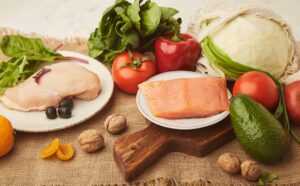
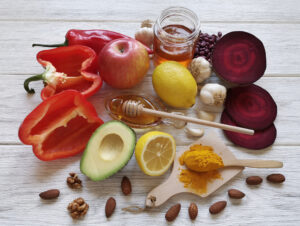
- During the luteal phase: Focus on fiber-rich foods like oats, sweet potatoes, and leafy greens, which can support smooth digestion without overloading your gut.
- Right before your period starts: Reduce your intake of caffeine and fatty foods, as these can exacerbate nausea and loose stools. Opt for soothing teas like chamomile or peppermint to calm muscle contractions in the gut.
- Exercise gently: Physical activity can aid digestion and improve circulation, but stick to low-impact exercises, such as walking or yoga, if you’re dealing with painful periods.
Lastly, some evidence suggests that probiotics can help balance gut bacteria, which may become disrupted during specific hormonal shifts.
When To Talk to Your Doctor
For women with IBS, the role of female sex hormones in gut health is undeniable. By understanding how estrogen and progesterone affect the GI system throughout the menstrual cycle, you can better anticipate and manage your symptoms. With minor adjustments to your diet, lifestyle, and symptom tracking, it’s possible to stay ahead of period-related IBS flare-ups. And remember, if symptoms persist, a conversation with your doctor or the professionals at Allied Digestive Health can point you in the direction of tailored treatments. Don’t wait to take control of your gut health—it’s worth every step!