How to Prevent Diarrhea
You probably know the feeling for yourself already and you are simply going about your day as usual. However, you are suddenly struck with the undeniable need to find a toilet. You have just been hit with a case of diarrhea. It is marked not only by an urgency to use the restroom but also by loose and runny stool. Worse yet, it can contribute to other medical issues such as dehydration. To avoid dealing with it frequently, let’s take a look at what you can do to prevent diarrhea from happening.
Tips to Prevent Diarrhea
It is a good idea to keep bottled water with you at all times, and not just because this will encourage you to continue to hydrate yourself (although that is a positive upside as well). However, you should also keep bottled water at hand because you don’t want to consume water from a tap when you aren’t completely certain about the origin of that water. There may be unsafe chemicals within the water that can lead to diarrhea. Keep this in mind as you think about how to prevent diarrhea.
You should also think about your sanitation habits. It is always best to wash your hands regularly to help prevent the spread of germs. Additionally, you should keep yourself clean by showering or bathing regularly as well.
Finally, you should also think about the foods you consume every day. Certain types of foods are more likely to trigger a diarrhea attack than others. Certain problematic foods and beverages include:
– Any food or beverage that contains caffeine
– Spicy foods
– High-fat foods
– Lactose
This is NOT an exhaustive list, and you should take note of particular foods and beverages that cause your digestive system to have issues. Avoid those trigger foods and beverages that you know could cause some problems for you.
Causes and Symptoms
Knowing what to look out for when facing diarrhea will allow you to better know what you are going through and which steps to take next. So, what are some of the symptoms of diarrhea? They include:
– Bloating and cramps
– Nausea
– Vomiting
– Fever
– Blood in your stool
– Urgent need to have a bowel movement
You should contact your doctor immediately if you have blood in your stool at any time. This can be a sign of much worse diseases and illnesses, and you need to respond to this immediately.
What causes diarrhea in the first place though? A few known causes include:
– Viruses – A variety of viruses are known to cause diarrhea. For example, enteric adenoviruses, astrovirus, cytomegalovirus, and viral hepatitis are all known to potentially cause diarrhea in those suffering from those viruses. Some sufferers have also noted that they suffered from diarrhea if they had the virus that causes COVID-19.
– Bacteria and parasites – Certain bacteria and parasites can also cause diarrhea and related issues. The source of this bacteria is often contaminated food, and that is why everyone should pay close attention to what they are consuming. Everyone should also pay attention to their sanitation habits to keep themselves protected from bacteria and parasites.
– Lactose Intolerance – You might discover that you are lactose intolerant if you have a bad experience or two when consuming dairy products. Those who are lactose intolerant will have an adverse reaction to consuming these products. One of the ways that their body may react to this includes having a diarrhea attack.
There are other potential root causes for diarrhea as well. If you experience diarrhea, trace your recent actions and think about if they might have contributed to the diarrhea that you just experienced.
Importance of Preventing Diarrhea
Not only is it annoying and potentially embarrassing to have diarrhea, but it can also cause you to become dehydrated or experience other negative health outcomes that you wish to avoid.
If you experience frequent diarrhea, your body may become out of balance when it comes to electrolytes and other vital nutrients. Don’t allow your body to become depleted in this way. Prevent diarrhea to avoid the risk.
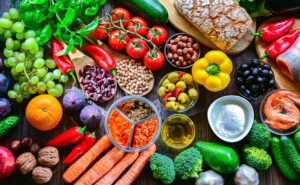
Healthy Eating Habits
Changing your eating habits can help you change the frequency with which you experience diarrhea. The University of California San Francisco offers the following tips:
– Eat small amounts of food frequently
– Fatty foods such as fried foods, sauces, gravies and salad dressings and highly spiced foods may not be well tolerated. Cutting down on these foods may help prevent diarrhea.
– Avoid foods or juices that have a laxative effect such as prunes and prune juice.
– If you don’t drink milk regularly, avoid milk when you have diarrhea.
These are good things to keep in mind to reduce your risk of experiencing diarrhea. It can take some time to make such a big shift in your dietary habits, but you can pull it off if you put your mind to it.
Proper Food Handling and Preparation
There are very good reasons why all packaged foods have specific preparation instructions printed on them. The point is to keep the consumer safe and to allow them to enjoy the foods that they have purchased without the fear that they might develop an illness from consuming them (including diarrhea). Always follow all relevant food handling and preparation standards when cooking for yourself. Keep an eye on the health scores of the restaurants you might want to eat at as well to take into account their handling and preparation practices as well.
Immunizations and Vaccinations
Keep up to date with your immunizations and vaccinations, particularly if you intend to travel internationally. The Centers for Disease Control and Prevention (CDC) offers this helpful schedule for adults to follow to ensure they get all of their immunizations and vaccinations on the proper schedule.
Medications and Supplements
There are both prescription and over-the-counter (OTC) medications that you can take to prevent diarrhea or lessen its impacts once you are going through it. Check out your local pharmacy and you will find an entire aisle dedicated to these types of OTC medications. Examples include Pepto-Bismol and Imodium.
If you experience frequent and/or severe diarrhea, ask your doctor about the possibility of getting prescription medications that may curb your ailments better.
When to Seek Medical Attention
There are several circumstances in which you should seek immediate medical attention for your diarrhea symptoms. These include, but are not limited to:
– Blood in your stool
– Dehydration
– You have experienced diarrhea for more than a few hours
– You are experiencing extreme cramps or discomfort
These are all troubling signs and could indicate that something more serious is going on in your life. Anytime you feel that you might need professional medical attention you should seek it out. Take care of this situation before it gets any worse for you.