What Is an IBS Flare-Up?
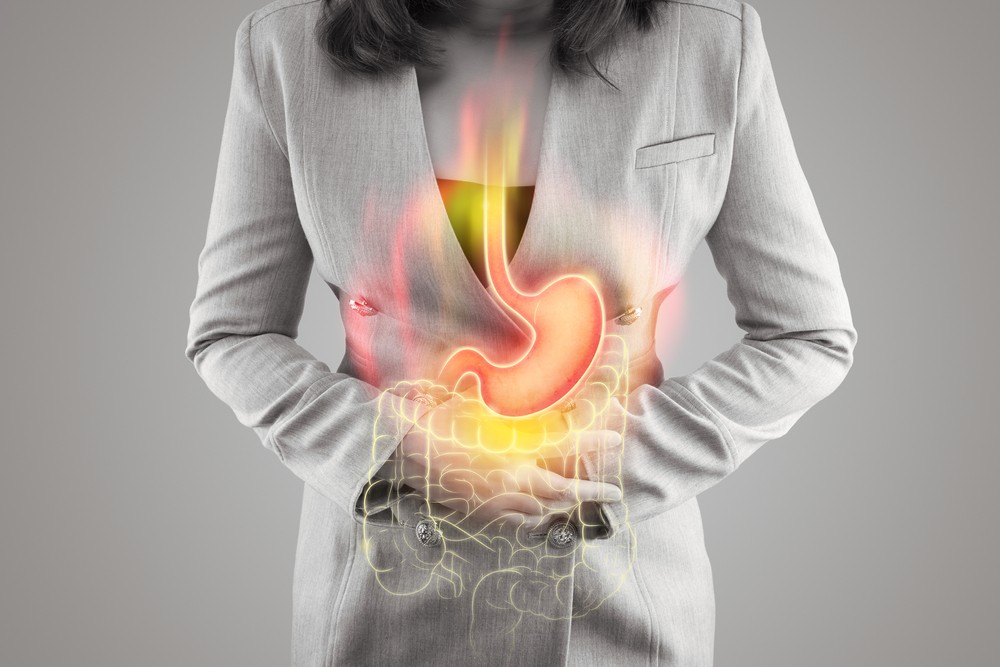
An IBS flare-up refers to a period when the symptoms of irritable bowel syndrome (IBS) become more severe or pronounced. Common symptoms during a flare-up include abdominal pain, cramping, bloating, gas, and changes in bowel habits such as diarrhea, constipation, or both.
Various factors, including stress, certain foods, hormonal changes, or other individual triggers, can trigger flare-ups. The severity and duration of a flare-up can vary from person to person, making it essential to identify personal triggers and adopt coping strategies to manage the condition effectively.
Common Symptoms During a Flare
During a flare, individuals may experience a range of symptoms that can significantly impact daily life. Abdominal pain and cramping are among the most common, often accompanied by bloating and excessive gas. Changes in bowel habits are typical as well, ranging from diarrhea to constipation, and sometimes alternating between the two.
Other symptoms may include nausea, fatigue, loss of appetite, and a feeling of urgency or incomplete evacuation. These symptoms can vary widely in intensity and frequency, underscoring the importance of personalized management strategies for those affected.
Typical Duration of IBS Flare-Ups
The duration of IBS flare-ups can vary significantly from person to person, lasting anywhere from a few hours to several days or even weeks. The length of a flare-up often depends on multiple factors, including stress levels, dietary triggers, and the effectiveness of current management strategies.
Some individuals may experience quick relief after addressing a specific trigger, while others may need more time to recover. Understanding personal patterns and maintaining consistent symptom management practices can help reduce the impact and duration of these episodes.
Factors That Influence How Long a Flare Lasts
Several factors can influence the duration of a flare-up. One of the most significant factors is stress, as heightened stress levels can exacerbate symptoms and prolong recovery time. Dietary choices also have a notable impact, with certain foods potentially triggering or intensifying a flare.
Additionally, the timeliness and effectiveness of treatment or management strategies are critical. Early intervention and adherence to prescribed therapies can often shorten the duration of a flare.
Lastly, individual differences, such as overall health, underlying conditions, and lifestyle habits, also contribute to the duration of a flare. Understanding these factors can help minimize the frequency and duration of flare-ups.
Tips for Managing and Shortening a Flare
Effectively managing a flare involves a combination of proactive strategies and lifestyle adjustments. First, it is crucial to follow your healthcare provider’s advice and adhere to your treatment plan, including medications and therapies prescribed explicitly for managing flares. Staying hydrated and maintaining a balanced diet can support your body during recovery, with emphasis on avoiding known dietary triggers.
Rest and stress management techniques, such as mindfulness or gentle yoga, can also play a significant role in reducing the duration and severity of a flare. Keeping a symptom journal to track patterns or triggers may provide valuable insights for future prevention. Lastly, seeking support from healthcare professionals, support groups, or trusted networks can help alleviate emotional burdens and ensure a smoother recovery path.
When IBS Symptoms May Signal Something More
While Irritable Bowel Syndrome (IBS) is a common condition, certain symptoms may indicate an underlying issue that requires further medical evaluation. Persistent or severe abdominal pain, significant unintended weight loss, bloody stools, or symptoms that worsen over time should not be ignored.
Additionally, suppose IBS symptoms are accompanied by fever, nighttime symptoms that wake you from sleep, or a family history of gastrointestinal conditions such as Crohn’s disease or colorectal cancer. In that case, it is crucial to seek prompt medical attention. These signs could point to more serious conditions, such as inflammatory bowel disease (IBD), celiac disease, or even an infection that mimics IBS. Early diagnosis and treatment of these conditions are crucial for maintaining long-term health and well-being.
When To Talk to Your Doctor
It is essential to consult your doctor if your digestive symptoms persist, are severe, or significantly interfere with your daily life. While mild IBS symptoms can often be managed with dietary changes and stress management, certain warning signs should prompt immediate medical attention. These include unintentional weight loss, blood in the stool, severe pain, or difficulty swallowing.
Additionally, if standard self-care measures do not improve your symptoms, or if newly onset symptoms occur after the age of 50, it’s crucial to seek professional medical advice. The professionals at Allied Digestive Health can perform necessary tests to rule out other conditions and develop a treatment plan tailored to your needs.