Common Digestive Symptoms You Shouldn’t Ignore
Everyone has an upset stomach now and then. A heavy meal, a stressful week, or a passing bug can all throw off your digestion. But some digestive symptoms are more than a temporary inconvenience.

If you are having gastrointestinal symptoms and your doctor needs to determine what is wrong, they may request an upper Endoscopy to get a closer look. An Endoscopy is a non-surgical way to get a look at your digestive system using a flexible camera. Learning more about it can give you a good idea of what to expect before, during, and after this common procedure.
Most procedures take between seven to ten minutes to complete, but you should expect to be at the office for longer than that. You’ll need time to complete any last-minute paperwork, you’ll have to get set up with anesthesia, and after the procedure, you need some recovery time before you go home. Expect to spend a few hours in total, and plan on having someone help you get home afterward. You will likely want to rest due to the anesthesia.
According to the Mayo Clinic, it can be performed in the hospital, an outpatient surgical facility, or even your doctor’s office. During the procedure, your Gastroenterologist will use a camera on a thin, flexible tube to get a look at your upper GI tract. It visually examines the stomach, esophagus, and part of the small intestine. This will provide your doctor with more information about your condition; in some cases, treatment can be provided during an Endoscopy as well.
Your doctor can let you know why you have an Endoscopy, but these are most commonly performed to explore or treat abdominal pain and pain related to the GI tract. Some of the most common reasons include the following:
Endoscopy offers a way to visualize the GI tract and surrounding organs, making it a primary and very useful tool for detecting, diagnosing, and fighting cancer and other conditions.
While you’ll receive full instructions from your doctor, you should expect to fast for 8 or more hours before the procedure. Your stomach needs to be empty for this procedure. Do not eat solid food for the 8 hours before your appointment, and do not drink water or other clear liquids for 4 hours before your appointment. This will ensure your stomach is empty and can be seen during the Endoscopy.
Do not take antacids or related medications on the day before the Endoscopy.
If you regularly take medication, you should discuss it with your doctor before the procedure. According to Stanford Medicine, you should avoid aspirin and medications that contain aspirin (including Pepto Bismol) a week before your Endoscopy. You should also discontinue other over-the-counter pain relievers like ibuprofen 5 days before your Endoscopy.
Some vitamins and supplements should also be avoided in the week before an endoscopy. If you regularly take iron, you should discontinue it 7 days before your procedure.
If you take prescription medications or herbal supplements, you should discuss them with your doctor before your endoscopy to ensure they are safe to take before your visit, in some cases, you may need to discontinue or change medication before your procedure. Your doctor can review your specific needs and health history and let you know what to do about your medication.
Arrange for transportation home; it is done under anesthesia, so you should have someone available to drive you home or assist you after your appointment.
While every patient is unique, the process is the same. You will arrive for your appointment and change into a hospital gown. You will be administered an IV with a sedative and a local anesthetic to numb your throat. Because you will receive an IV sedative, you may fall asleep before or during the procedure; this is normal, as many patients fall asleep or sleep through the Endoscopy. You’ll lie down on your back or side during this procedure and should not experience any discomfort.
During this procedure, the Gastroenterologist will insert a thin, flexible tube down the throat. This tube has a camera and, if needed, micro tools for your examination. Endoscopy is low-risk and not painful. The camera allows the doctor to see what is going on in your stomach, esophagus, and small intestine. This will take about a half hour but could be longer depending on the reason for your Endoscopy.
When the procedure is complete, you’ll be observed for a while to be sure you do not have any adverse effects. Adverse effects and side effects from the procedure or anesthesia are rare, so most people leave as soon as they are alert and awake. You will most likely feel tired after this procedure and may have a mild sore throat or stomach upset. These are normal side effects and should go away in a day or so.
In some cases, your results will be available immediately; in others, you may have to wait for the results. Biopsies and tissue samples may take time to process, so you will not hear about those right away. If you take regular medication, you can begin taking it again after your procedure unless your doctor advises otherwise. You can also resume your normal diet.
Learning more about Endoscopy can help you make the best possible decisions for your health. It can also help alleviate any anxiety you may be feeling about the process. To learn more about Endoscopy and how this process can help you, get in touch with our team today. We are dedicated to improving health and lives with Endoscopy and related procedures.

Everyone has an upset stomach now and then. A heavy meal, a stressful week, or a passing bug can all throw off your digestion. But some digestive symptoms are more than a temporary inconvenience.

If you live with irritable bowel syndrome and constipation, you know how frustrating it can be. Infrequent bowel movements, abdominal pain, and bloating can affect your comfort, your plans, and your overall quality of life.
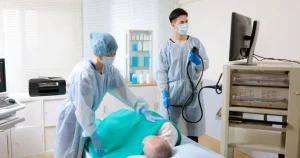
For many people, the hardest part of a colonoscopy isn’t the procedure itself. It’s the bowel prep the day before. The good news is that colonoscopy prep has become easier to manage, and a little planning goes a long way.

Living with irritable bowel syndrome (IBS) means paying close attention to what you eat, how you feel, and how your body responds day to day. One factor that often gets overlooked is hydration.

Colorectal cancer prevention is a crucial aspect of maintaining overall health. By adopting certain daily habits, you can significantly reduce your risk of developing this common cancer.

Managing irritable bowel syndrome (IBS) can be challenging, especially when it comes to dietary choices. One crucial aspect is understanding how to get enough fiber with IBS. Fiber plays a significant role in digestive health, but not all types of fiber are suitable for everyone with IBS.

A gastroenterologist plays a crucial role in managing liver health, addressing conditions such as fatty liver disease, hepatitis, and cirrhosis. These specialists are equipped to diagnose and treat liver issues, ensuring optimal digestive health.

Irritable Bowel Syndrome with Constipation (IBS-C) can be a challenging condition to manage, but finding relief from IBS-C is possible with the right approach. Understanding the condition, making dietary adjustments, and exploring treatment options can help alleviate symptoms.

If you live with irritable bowel syndrome (IBS), you may have noticed changes in your weight that seem tied to your symptoms, whether it is unexpected gain, unwanted loss, or the frustrating bloat that makes your weight feel like a moving target. IBS does not directly cause major weight changes the way some conditions do
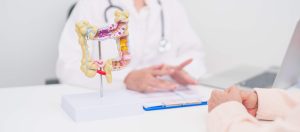
If you have ulcerative colitis, you may have heard that it can raise your risk of colorectal cancer, and that can be worrying to think about. The reassuring reality is that most people with ulcerative colitis never develop colorectal cancer, and the tools to manage that risk are effective and well established

The abdominal pain and cramping of irritable bowel syndrome (IBS) can range from a nagging ache to a flare that stops you in your tracks. If you are searching for how to relieve IBS pain, the encouraging news is that there are both quick comfort measures for the moment and longer-term strategies that can reduce how often flares happen at all.

That tight, swollen, uncomfortable feeling that shows up after eating is one of the most common digestive complaints, and it can turn an enjoyable meal into hours of discomfort. The good news is that post-meal bloating is often very manageable once you understand what causes it.