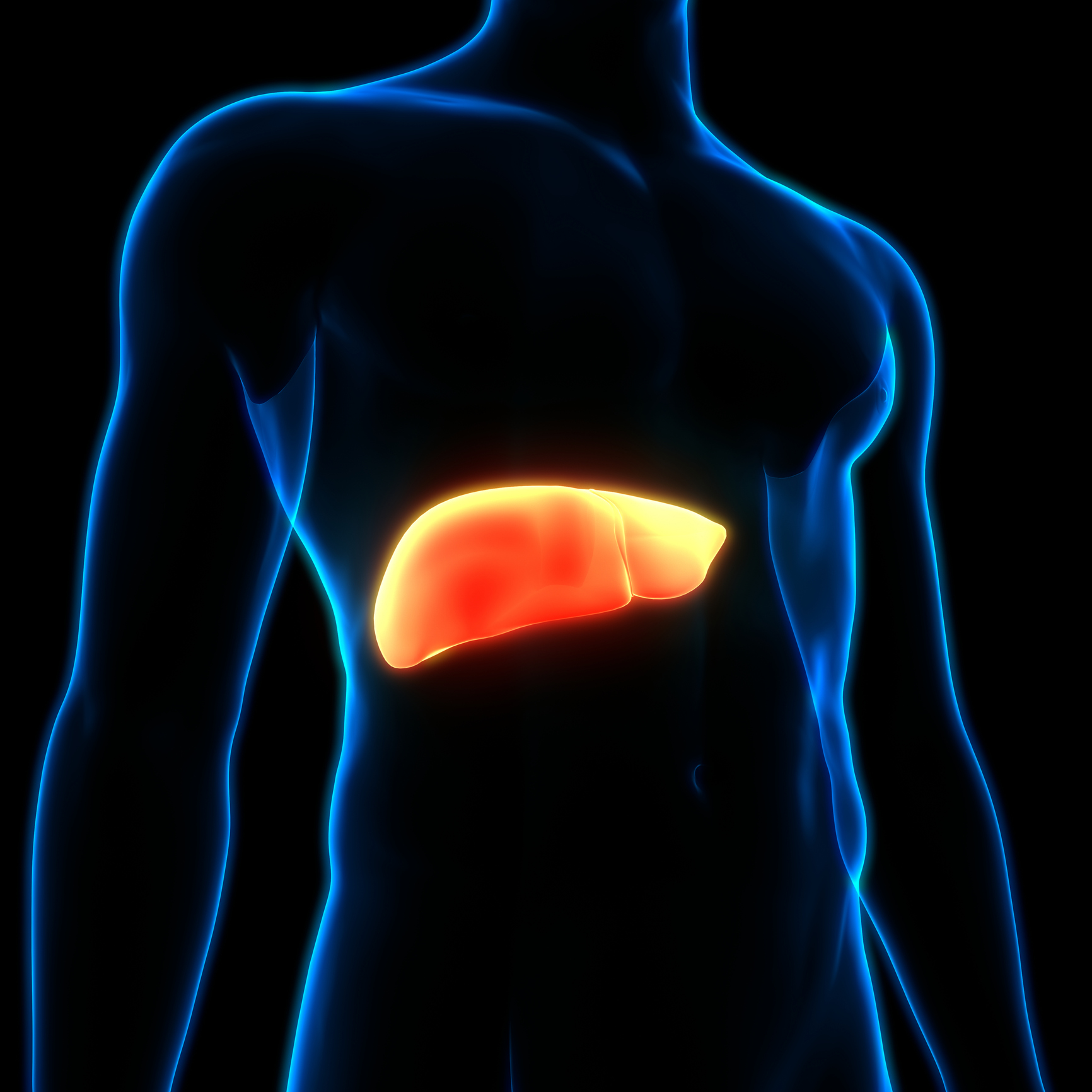
Fatty liver disease, also known as hepatic steatosis, occurs when excess fat accumulates in the liver. Although fatty liver disease can be asymptomatic and non-progressive, it has the potential to lead to inflammation and scarring, which can ultimately result in serious health problems.
Types of Fatty Liver Disease
Fatty liver disease can be categorized primarily into two types:
- Non-Alcoholic Fatty Liver Disease (NAFLD) – NAFLD, the most common form, is largely due to metabolic factors such as obesity, high blood sugar, and insulin resistance.
- Alcoholic Liver Disease (ALD) – ALD, on the other hand, results from excessive alcohol consumption and can lead to severe liver damage if not addressed.
Both types signify the accumulation of excess fat in your liver cells, yet their causes and risk factors differ markedly.
Nonalcoholic Steatohepatitis
Nonalcoholic Steatohepatitis (NASH) is an aggressive form of non-alcoholic fatty liver disease (NAFLD) that progresses beyond the initial accumulation of liver fat to inflammation and liver cell damage. This inflammation can lead to scarring of the liver tissue (fibrosis), which may progress to cirrhosis or even liver cancer in severe cases. NASH is particularly concerning because it often develops silently, without any overt symptoms until the liver damage becomes advanced.
Risk factors for NASH include obesity, insulin resistance, high blood sugar levels, and high levels of fats, particularly triglycerides, in the blood. Although NASH shares many of the same risk factors as other forms of NAFLD, its potential to cause significant liver damage and failure sets it apart as a critical condition requiring medical attention.
Symptoms of Fatty Liver Disease
Fatty liver disease often progresses silently, with many individuals experiencing no symptoms in the early stages. When symptoms do manifest, they might include fatigue, weight loss or gain, abdominal discomfort, and a general feeling of being unwell.
In more advanced cases, symptoms could escalate to jaundice (yellowing of the skin and eyes), swelling in the legs and abdomen due to fluid build-up, and a propensity to bruise easily.
It is crucial for individuals who suspect they might have alcohol-related fatty liver disease to seek medical evaluation, as early detection can significantly influence management and outcomes.
Common Causes of Fatty Liver Disease
The root causes of fatty liver disease extend beyond just excessive alcohol consumption and metabolic syndromes. Other contributing factors include rapid weight loss, certain medications known to affect liver health (such as corticosteroids and some anti-convulsants), and underlying health conditions like type 2 diabetes and high cholesterol.
Additionally, poor dietary choices, particularly those high in saturated fats and processed sugars, play a significant role in developing this condition. Understanding these common causes is pivotal in preventing and managing fatty liver disease, underscoring the importance of a balanced diet and a healthy lifestyle.
Diagnosing Fatty Liver Disease
Diagnosis of fatty liver disease typically involves a combination of medical history review, physical examinations, blood tests, imaging studies, and sometimes liver biopsy. Doctors may start with blood tests to check liver enzyme levels, which can indicate liver stress or damage. Imaging tests such as ultrasound, CT scans, and MRIs are used to visualize fat accumulation in the liver.
A liver biopsy, where a small sample of liver tissue is collected and examined under a microscope, might be performed to assess the extent of liver damage and inflammation. Early diagnosis is critical in managing and mitigating the effects of fatty liver disease, emphasizing the need for individuals at risk to undergo regular health check-ups.
Fatty Liver Disease Treatments
Treating fatty liver disease involves a multifaceted approach aimed at reducing risk factors and managing the conditions contributing to the disease.
For NAFLD, lifestyle modifications are the primary recommendation, including weight loss through a healthy diet and regular exercise. Reducing the intake of saturated fats, sugars, and refined carbohydrates is crucial, along with increasing the consumption of fruits, vegetables, and whole grains.
For those with ALD, abstaining from alcohol is essential to halt disease progression. In some cases, medication may be prescribed to manage obesity, diabetes, or high cholesterol levels.
Advanced stages of fatty liver disease might require surgical interventions or liver transplantation. Regular monitoring and medical checkups are important to assess the effectiveness of the treatment plan and make necessary adjustments.
When to Talk to Your Doctor
Early detection of fatty liver disease is crucial for effective management and for preventing progression to more serious liver conditions, such as cirrhosis or liver cancer. If you experience any symptoms related to fatty liver disease, such as unexplained fatigue, abdomen pain, weight changes, or jaundice, it’s important to consult your healthcare provider.
Individuals with risk factors for developing fatty liver disease, including those with obesity, diabetes, high cholesterol, or a high alcohol intake, should discuss regular screening with their doctor. Early intervention can significantly improve the long-term outlook of individuals with fatty liver disease.
Fatty Liver disease is not a condition that you want to ignore. Please call your doctor or visit Allied Digestive Health as soon as possible.