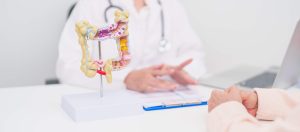
An obese female patient consults with her nutritionist for a diet plan meal
Can Fatty Liver Cause Cancer?

You may have heard people talk about non-alcoholic fatty liver disease (NAFLD), which has become increasingly common, affecting an estimated 24% of adults. Can fatty liver cause cancer? If you are unsure about NAFLD and the potential link between fatty liver and liver cancer, you are not alone.

NAFLD is a disease caused by excess fat accumulation in the liver in patients who drink little to no alcohol. For most patients, non-alcoholic fatty liver disease is a benign condition that does not lead to any long-term liver damage. Can fatty liver cause cancer? In some cases, NAFLD can cause liver inflammation (NASH), leading to cirrhosis, liver failure, and primary liver cancer.

Can fatty liver cause cancer? Learn about non-alcoholic fatty liver disease: risks and complications. Educate yourself on this prevalent condition.  Discover NAFLD overview, signs, cancer link, and risk reduction steps.

What Are The Symptoms of NAFLD and NASH? 

Unfortunately, NAFLD often does not cause any symptoms. However, in some cases, patients may present with fatigue or pain in the upper right quadrant of their abdomen. Fatty liver disease can be hard to diagnose as it often remains symptomless until complications arise, like NASH or cirrhosis. Symptoms that can indicate serious liver diseases such as NASH, cirrhosis, or liver failure include:

  • Yellowing of The Skin and Eyes (Jaundice)
  • Fluid Retention
  • Weight Loss
  • Abdominal Swelling
  • Red Palms
  • Weakness
  • Loss of Appetite
  • And Fluid Build-Up in The Legs (Edema)

While non-alcoholic fatty liver disease often does not cause symptoms, your doctor may test for fatty liver disease if you are considered at risk. Common risk factors for fatty liver disease include obesity, diabetes, hypertension, dyslipidemia, metabolic syndrome, and certain medications.

How is NAFLD Diagnosed?

Since NAFLD is often asymptomatic until it leads to serious complications, regular annual check-ups with your doctor for physical examinations and blood work are crucial. Blood tests are essential for detecting NAFLD, as elevated liver enzymes may indicate the presence of fatty liver. If your liver enzymes are high, your doctor will likely use imaging tests such as ultrasounds and CT scans to rule out other conditions and confirm a diagnosis of NAFLD.

Are There Medications Available to Treat NAFLD or NASH?

No approved drugs for NAFLD, but trials are ongoing. The primary treatment for non-alcoholic fatty liver disease and NASH is lifestyle changes to help you lose weight. Moreover, a healthy diet and regular exercise can prevent and even reverse liver damage.

Lowering cholesterol, regulating blood sugar, and losing weight can reduce NAFLD complications. Consult your doctor about medication impacts on liver health.

What is The Link Between NAFLD and Liver Cancer?

Non-alcoholic fatty liver disease (NAFLD) can lead to liver cancer, prompting curiosity about the connection between the two. Obesity, metabolic syndrome, and diabetes greatly raise the risk of liver cancer in people with NAFLD, especially when these conditions develop early in life.

The most common type of liver cancer is hepatocellular carcinoma (HCC), comprising about 75% of cases. NAFLD is one of the main risk factors for developing this form of cancer, and due to rising rates of NAFLD, liver cancer is now the third leading cause of cancer death, with liver cancer deaths doubling since 1980.

Considering that NAFLD is one of the biggest risk factors for developing liver cancer, you must consider making lifestyle changes to reduce your risk of developing NAFLD.

What Steps Can I Take to Reduce My Risk of NAFLD?

While NAFLD is becoming more common in the US, you can lower your risk through simple steps. Being overweight or obese is a significant risk factor for NAFLD. To reduce your risk and improve your health, follow a diet and exercise plan for weight loss. Exercise cut calories, limit alcohol, and eat plenty of fruits and vegetables to prevent fatty liver disease.

Non-alcoholic fatty liver disease is a growing US epidemic that raises the risk of cirrhosis and liver cancer. Therefore, discuss your NAFLD risk with your doctor, undergo liver tests, and take preventive measures to avoid liver disease.

Feel free to contact us for information on lifestyle changes to promote a healthy life and reduce your risk of NAFLD.

Link Between Ulcerative Colitis and Colorectal Cancer

If you have ulcerative colitis, you may have heard that it can raise your risk of colorectal cancer, and that can be worrying to think about. The reassuring reality is that most people with ulcerative colitis never develop colorectal cancer, and the tools to manage that risk are effective and well established

Read More »

How to Relieve IBS Pain

The abdominal pain and cramping of irritable bowel syndrome (IBS) can range from a nagging ache to a flare that stops you in your tracks. If you are searching for how to relieve IBS pain, the encouraging news is that there are both quick comfort measures for the moment and longer-term strategies that can reduce how often flares happen at all.

Read More »

How to Stop Bloating After Meals

That tight, swollen, uncomfortable feeling that shows up after eating is one of the most common digestive complaints, and it can turn an enjoyable meal into hours of discomfort. The good news is that post-meal bloating is often very manageable once you understand what causes it.

Read More »

How to Follow an Elimination Diet for IBS

For people living with irritable bowel syndrome (IBS), food can feel like a minefield, with meals sometimes triggering abdominal pain, bloating, and unpredictable bowel habits. A structured elimination diet is one of the most evidence-supported ways to identify which foods drive those symptoms.

Read More »

Colorectal Cancer and Stool: Red Flags to Be Aware Of

Your stool can reveal a surprising amount about your digestive health, and paying attention to it is one of the simplest ways to catch a problem early. While most changes in bowel habits are caused by diet, stress, or minor conditions, certain stool changes can be warning signs of colorectal cancer, one of the most common and most preventable cancers.

Read More »

Best and Worst Protein Sources for IBS

Protein is essential for energy, muscle, and overall health, but for people with irritable bowel syndrome (IBS), how you get that protein can make the difference between a comfortable day and a flare. The good news is that most protein foods are naturally low in the fermentable carbohydrates that tend to trigger IBS symptoms,

Read More »

Can Constipation Make You Nauseous?

If you have ever felt queasy during a bout of constipation, you are not imagining the connection. While constipation is usually thought of as a lower-digestive problem, it can also leave you feeling sick to your stomach, especially when it is severe or long-lasting.

Read More »

Signs of Stomach Ulcers

Stomach ulcers, also known as peptic ulcers, are painful sores that develop in the lining of the stomach or the first part of the small intestine. These ulcers can cause significant discomfort and lead to serious complications if left untreated. Understanding the signs and symptoms of stomach ulcers is crucial for early detection and effective management.

Read More »

Will a Low-Carb Diet Help My IBS?

A low-carb diet may offer relief for those struggling with irritable bowel syndrome (IBS), a condition characterized by abdominal pain and altered bowel habits. While many individuals seek dietary solutions to manage IBS symptoms, understanding the role of carbohydrates is crucial.

Read More »

Health Complications Linked to GERD

GERD, or gastroesophageal reflux disease, is a prevalent condition affecting millions worldwide. Characterized by chronic symptoms like heartburn and acid reflux, GERD can lead to significant health complications if left untreated.

Read More »

How to Prevent Constipation from IBS

Constipation is a common challenge for those with irritable bowel syndrome (IBS), particularly the IBS-C subtype. This condition affects millions globally, significantly impacting daily life. Understanding how to manage constipation effectively can improve quality of life for those struggling with IBS.

Read More »

Why Is There Blood in My Stool?

Noticing blood in your stool can be alarming. While it may be caused by a minor issue such as hemorrhoids, it can also be a sign of a more serious digestive condition. Understanding the possible causes of rectal bleeding can help determine when symptoms require medical attention.

Read More »