How Concerned Should You Be About Colon Polyps?
You’ve undergone a colonoscopy procedure, and your gastroenterologist says they found colon polyps. Now what? How concerned should you be about colon polyps? Overall, most colon polyps are harmless and easy to prevent/remove, especially in the precancerous stage.
Dr. John Saltzman, Associate Professor at Harvard Medical School and Director of Endoscopy at Brigham and Women’s Hospital in Boston, affirms this by stating, “they are not cancer, and most of them have not started to change into cancer. If you get them at the precancerous phase, they don’t have a chance to grow and turn into cancer.”
Nonetheless, you don’t want to leave colon polyps alone because they may develop into colon cancer over time and potentially become fatal at later stages. According to the National Institute of Diabetes and Digestive and Kidney Diseases, anyone can develop colon polyps. Still, it’s common among those aged 45 or older, with 15-40 percent of Americans at risk of developing or may have developed intestinal polyps.
The good news is that there are ways to detect and have the polyp removed before they grow and change into cancer. Here are some things you need to know:
What Are Colon Polyps?
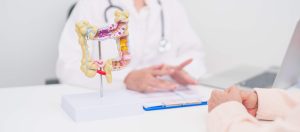
Colon polyps are small growths on the lining of the large intestine (colon). They’re usually benign, meaning they won’t cause any problems, especially at early stages. However, when they start growing too fast or larger than usual, they could turn into cancer.
If you notice any changes in your bowel habits, such as diarrhea, constipation, bleeding from the rectum, or abdominal pain, see your doctor for an examination and schedule colorectal cancer screening immediately. These symptoms could mean something more serious, like colorectal cancer.
How Do I Know If I Have Colon Polyps?
You might experience one or more of these signs if you have colon polyps:
- Blood in your stool
- Constipation
- Diarrhea
- Gas
- Pain during bowel movements
- Rectal bleeding
- Swollen lymph nodes under your arms
- Weight loss
- Yellowing of your skin or eyes
- A lump in your abdomen
- Changes in bowel habits
- Abdominal cramps
- Fatigue
What Are the Main Causes?
Several factors contribute to the development of colon polyps, including genetics, personal history, diet, obesity, smoking, and certain medications.
- Genetics. Your genes play a role in whether you will develop colon polyps. People who inherit a gene mutation called familial adenomatous polyposis (FAP) are at higher risk of developing colon polyps. FAP is caused by a genetic mutation that causes cells to multiply uncontrollably. It’s inherited in an autosomal dominant pattern, which means only one copy of the defective gene needs to be present for the condition to occur.
- Personal History. Having a family member with colorectal cancer significantly increases your risk of colon polyps. That’s why people with a first-degree relative (parent, sibling, child) with colon cancer should undergo regular screenings.
- Diet. A high-fat diet has been linked to increased risks of colon polyps. Eating foods rich in fats, particularly red meat, butter, and dairy products, increases bile acids in your body. Bile acids help digest fat and absorb nutrients. But when levels of bile acids rise, they can irritate intestinal walls, causing inflammation and cell damage.
- Being overweight or obese puts you at greater risk of developing colon polyps. The reason is simple: excess weight makes it harder for your digestive tract to move food through your intestines. As a result, undigested food particles may collect in the colon, where they can become colon polyps.
- Smoking. Smoking cigarettes increases the risk of developing colon polyps. Smokers are also more likely to get other types of cancers, including lung, mouth, throat, and bladder cancers.
- Medications. Certain drugs increase your risk of developing colon polyposis. These include aspirin, nonsteroidal anti-inflammatory drugs (NSAIDs), anticoagulants, and some antibiotics.
How Common Is It to Find a Polyp During Colonoscopies?
Precancerous polyps are not uncommon and are usually found as often as 40% of the time during colonoscopies. However, most polyps aren’t precancerous; they’re benign tumors. Most polyps don’t cause problems, but sometimes they bleed or grow large enough to press against nearby blood vessels. In rare cases, these may be early warning signs of colon cancer.
On the flip side, colon cancer is rare during a screening colonoscopy, with only about 40 out of 10,000 patients diagnosed with this type of cancer. And as we’ve stated earlier, removing a precancerous or benign polyp eliminates the risk of colon cancer.
What Are the Chances of Colon Polyps Being Cancerous?
As we’ve discovered above, colon cancer is usually detected in only 0.4% of all colonoscopy or CT colonography procedures. But how concerned should you be about colon polyps becoming cancerous? According to Roswell Park, only about 5-10% of all polyps will turn into cancer.
Please note that size is a critical determining factor of whether a polyp becomes cancerous. For example, a small polyp less than 1 cm in diameter has a very low chance of turning into cancer. On the other hand, a larger polyp measuring 1 cm or more in diameter has a much higher chance of becoming cancerous.
What Are the Common Types of Polyps?
There are two main categories of polyps: adenomatous and hyperplastic. Adenomatous polyps are the most common type, accounting for about 70-90% of all polyps. They tend to occur in older adults and have a slightly higher rate of malignant transformation. Hyperplastic polyps are smaller than adenomas and are typically found in younger individuals.
- Adenoma – This is the most common type of colon polyp. Adenomas are usually flat and round and protrude from the colon’s inner lining like mushrooms. Adenomas are usually removed during a colonoscopy because they can develop into colon cancer.
- Hyperplasia – This is another type of polyp. Unlike adenomas, which are usually flat and round, hyperplasias are raised bumps that look similar to cauliflower. Hyperplasias are usually harmless and do not need to be removed.
Do Colon Polyps Grow Back?
Barely! After the complete removal of a polyp, it’s hard for it to grow back. But some people who had their polyps removed may experience them growing again. If this happens, however, it doesn’t mean that the polyps are cancerous.
If you notice any changes in your bowel movements after a colonoscopy, this is a sign to visit a gastrointestinal specialist immediately. Also, if you feel pain while passing stool, see your physician as soon as possible. Painful stools could indicate an infection or bleeding inside the body.
Final Remarks
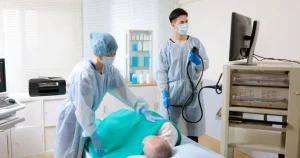
Colon polyps are noncancerous growths that can appear anywhere along the length of the colon. Although most polyps are benign, they can become cancerous if left untreated. Therefore, it’s important to remove these polyps before they become cancerous. A colonoscopy is one of the best ways to detect and remove polyps. It also allows doctors to check for signs of colorectal cancer and remove any abnormal tissue.
At Allied Digestive Health (ADH), we’re an integrated network of gastroenterology centers committed to providing our patients with the highest quality care. Our team of board-certified gastroenterologists, nurse practitioners, dietitians, pharmacists, and support staff work together to create personalized treatment plans for each patient. And we’re here to help you get rid of those pesky polyps once and for all. So we invite you to contact us today to schedule yours.